Reviving Heirlooms with Heart and Stewardship

Today we explore heirloom furniture restoration, focusing on sustainable techniques that preserve family narratives while safeguarding craftsmanship and materials. Through practical steps, careful choices, and meaningful documentation, we’ll help you repair with integrity, retain cherished patina, and weave the memories of previous generations into every respectful touch your hands make.

Start with Respectful Assessment

Before reaching for glue or finish, learn to read an object’s quiet language. Scratches, sun-fading, and loose joints reveal how a piece lived, where it traveled, and what it endured. A measured assessment honors that journey, guiding interventions that strengthen structure, conserve character, and ensure memories are protected rather than polished into silence.

Reversible Adhesives Done Right

Hot hide glue and fish glue remain gold standards because they respect tradition and future needs. They bond strongly yet release with controlled heat and moisture, enabling later repairs without collateral damage. Their collagen base fills microgaps, supports aged joints, and avoids plastic creep. Keep granules fresh, mix small batches, and document where applied.

Finishes with Character, Not Fumes

Choose finishes that complement aged wood and support indoor air quality. Shellac offers warmth, clarity, and reparability; polymerized linseed oil enriches grain without smothering it; beeswax and carnauba wax provide gentle sheen. Milk paint can revive early surfaces authentically. Prioritize low-VOC products, thin layers, and test boards that mirror lighting where the piece lives.

Sourcing Wood the Thoughtful Way

Favor reclaimed boards, donor parts from irreparable items, or locally salvaged species to reduce environmental impact. Match growth ring density, color tone, and figure to blend repairs invisibly. Quartered stock stabilizes tabletops; riven material suits spindles. Record what you add and why, so future caretakers understand choices and can continue stewardship responsibly.

Patina Preservation and Subtle Refinement
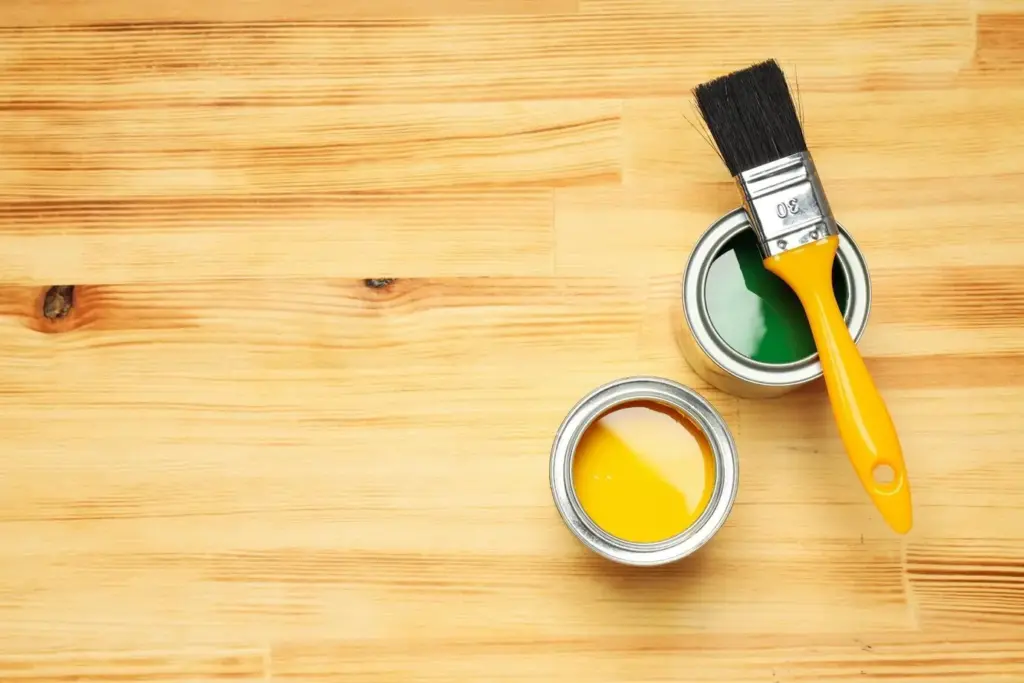
Surface character carries family presence: the spot where a wedding bouquet rested, the shadow of a lamp, the soft luster from countless dinners. Preserve that quiet glow by cleaning carefully, blending color with restraint, and building finishes in transparent layers. The aim is refinement, not erasure, welcoming age while restoring comfort, utility, and dignity.

Joints That Breathe and Hold

Address mortise-and-tenon and dovetail failures by cleaning old glue, preserving fibers, and regluing with hot hide glue. Use cauls to protect edges and distribute pressure evenly. Respect wood movement by aligning clamps thoughtfully and avoiding rigid, cross-grain screws. Good adhesion, not brute force, revives integrity while keeping joinery comprehensible to future repairers.

Veneer, Boulle, and Marquetry Care

Lifted veneer deserves calm hands. Humidify gently, flatten with breathable barriers, and re-adhere using fish or hide glue, working from center outward. Replace missing segments only when necessary, matching grain and direction. For decorative work, explore hammer veneering and warm burn-in resin sparingly, always prioritizing continuity over perfection and documenting any insertions carefully.

Hardware with History

Polish brass and bronze only enough to remove active corrosion, retaining time-softened tones. Use mild chelating agents, soft brushes, and wax protection rather than aggressive compounds. Keep original screws with their irregular slots and thread patterns. If replacements are essential, label and store originals, preserving the hardware’s narrative value alongside renewed mechanical function.
Capture Provenance Before the Dust Settles
Interview elders, digitize photographs, and create a timeline of moves, celebrations, and caretakers. Tuck an archival card beneath a drawer with materials used and dates of intervention. Add a discreet QR code linking to a family album and care notes. These simple steps secure memory alongside structure, welcoming future hands into the story.

When Imperfections Are Part of the Story

Not every scar needs smoothing. A water ring from a birthday toast, a child’s pencil marks, or a wartime field repair can carry meaning. Stabilize these elements rather than removing them, adding context in your documentation. Thoughtful restraint turns blemishes into narrative touchstones that deepen connection and celebrate resilient, lived beauty.

Start a Restoration Journal and Share

Record each session’s goals, tests, materials, and outcomes. Photograph small victories and setbacks, then post reflections so others learn from your experience. Ask questions in the comments, invite critiques, and encourage relatives to add memories. A living log connects craft, history, and community support, building confidence with every documented, mindful step.

Host a Family Repair Gathering

Plan a gentle workday with tea, safe tools, and storytelling. Assign roles for cleaning, photographing, and interviewing elders. Children can trace hardware shapes or label screws. Pause often to listen and write. By combining careful tasks with conversation, the object receives repairs while relationships tighten, creating fresh memories around an old companion.

Subscribe and Join Monthly Challenges

Stay connected with periodic checklists, tool spotlights, and case studies. Take our challenge to use one reversible method on a small repair, share before-and-after photos, and reflect on results. We feature member insights, celebrate incremental progress, and keep sustainability practical, encouraging steady, thoughtful care that honors the past and welcomes tomorrow.
Melville-title
Privacy Overview

This website uses cookies so that we can provide you with the best user experience possible. Cookie information is stored in your browser and performs functions such as recognising you when you return to our website and helping our team to understand which sections of the website you find most interesting and useful.